
Dental veneers are the thinnest overlays, ranging from 0.2 to 0.8 micrometers, made of ceramic or composite material, which are placed on the outer surface of the front teeth to conceal minor defects: chips, cracks, gaps, irregular shape, enamel discoloration. With veneers, applied in one session or over several sessions depending on the chosen manufacturing method, perfectly even dental rows are created, enhancing the aesthetics and beauty of the smile, and the overlays themselves are impossible to distinguish from natural teeth to the naked eye.
The history of veneers dates back to the 1930s when Hollywood dentist Charles Pincus created and began installing the thinnest overlays on the teeth of his star patients. However, at that time, veneers could only be worn for a few days before they had to be removed. Now, veneers are affordable for practically everyone, and their service life is at least 15 years.
Dental veneers are an excellent solution for those who do not want prolonged treatment and desire a bright and long-lasting result as quickly as possible.
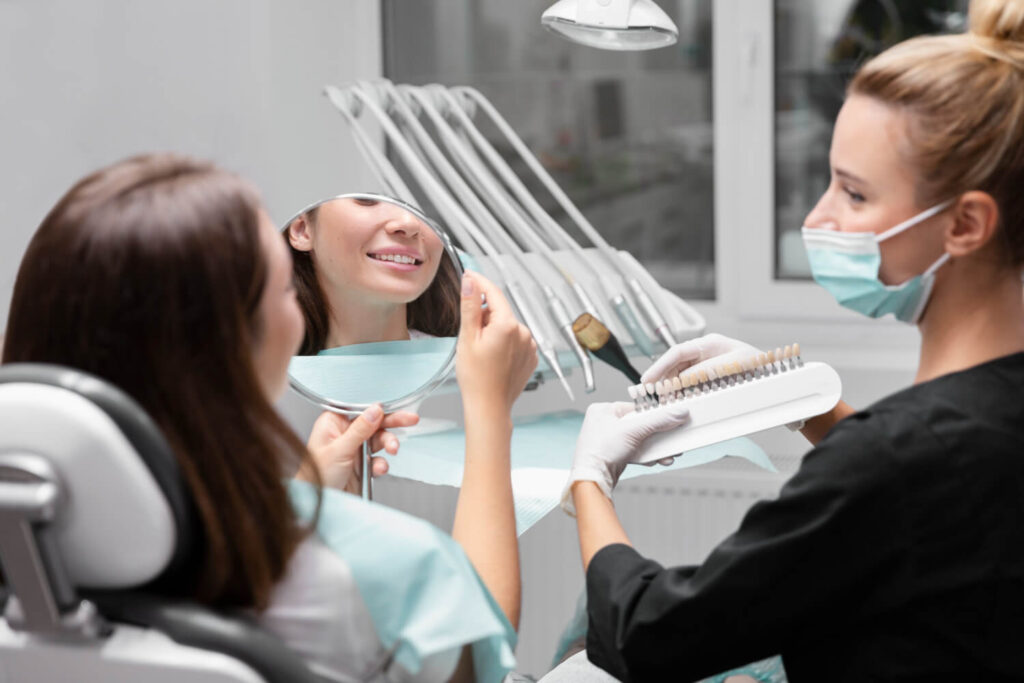
Budget overlays made of composite material using direct and indirect methods to correct minor defects on dental units. Installed in one visit and are cost-effective.
Thin overlays made from small ceramic blocks in laboratory conditions. They have high strength, durability, excellent physical and chemical properties, and a wide range of shades closest to the natural enamel color. Belong to the middle price range.
The thinnest plates made in laboratory conditions from zirconium dioxide, an even stronger and more durable material capable of withstanding significant chewing loads. Often used in combination with ceramics: a zirconia frame with ceramic facing. The cost of such orthopedic products is one of the highest.
The thinnest overlays made in laboratory conditions by pressing and firing lithium disilicate mass in a furnace, becoming quite durable and capable of withstanding significant chewing loads. Belong to the premium-class products of this type.
Depending on the manufacturing and installation method, dental veneers come in two types: direct and indirect. They equally well cope with the tasks set. However, the choice between the two types depends on the doctor’s recommendations, patient preferences, and financial capabilities:
Made of composite material and installed directly in the patient's oral cavity in one session. The installation principle involves applying composite to the outer surface of the front teeth and curing it with ultraviolet light, after which the overlay sets. It effectively solves the tasks set, but over time, the photocurable material loses its properties, becoming unsuitable.
Made of ceramics and other materials in laboratory conditions, so installation requires several visits to the orthopedic dentist. They last much longer than direct composite veneers, are correspondingly more expensive, but besides excellent task execution, they are distinguished by a denser fit and better quality of adaptation to the tooth surface.
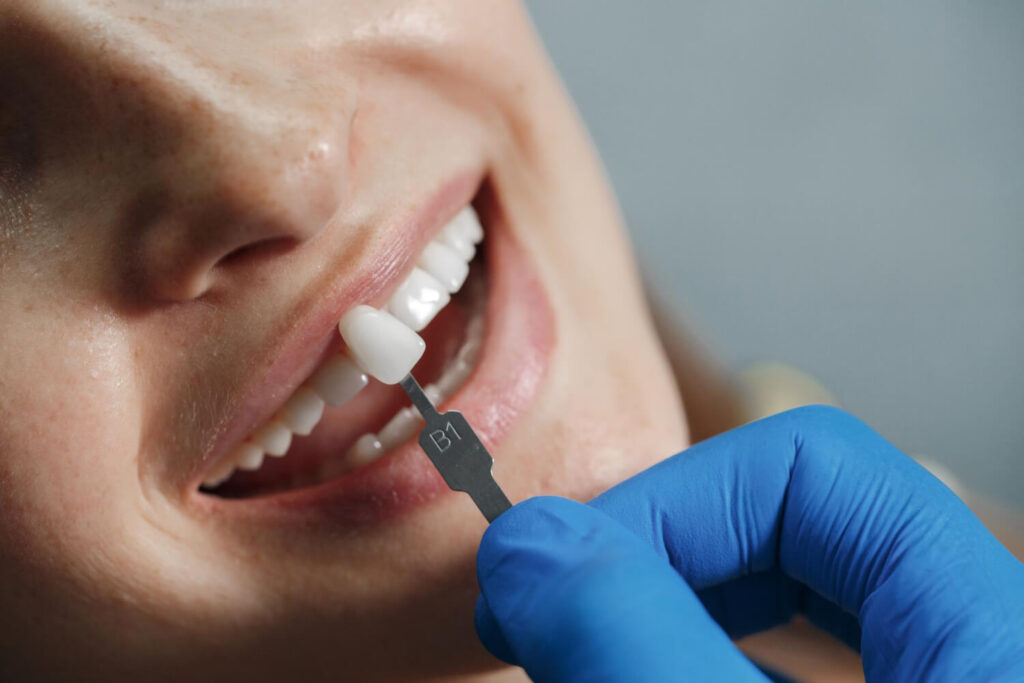
During the initial examination, the orthopedic dentist assesses the patient's oral health, analyzes additional examination data, consults with related specialists, agrees with the patient on the shape and color of the future overlays, and develops an optimal treatment plan.
The dentist sanitizes the oral cavity and, if necessary, addresses other dental conditions. To ensure that the overlays fit snugly and do not protrude, slight enamel preparation may be required. After this, the dentist takes impressions and sends them, along with other data, to the dental laboratory for fabrication.
In the laboratory, technicians carve out the plates on special machines using computer programs according to the patient's individual parameters. Then, the semi-finished products are baked under high pressure and temperature. The final stage involves giving the overlays a natural appearance and relief using brushes and tools, mimicking natural teeth.
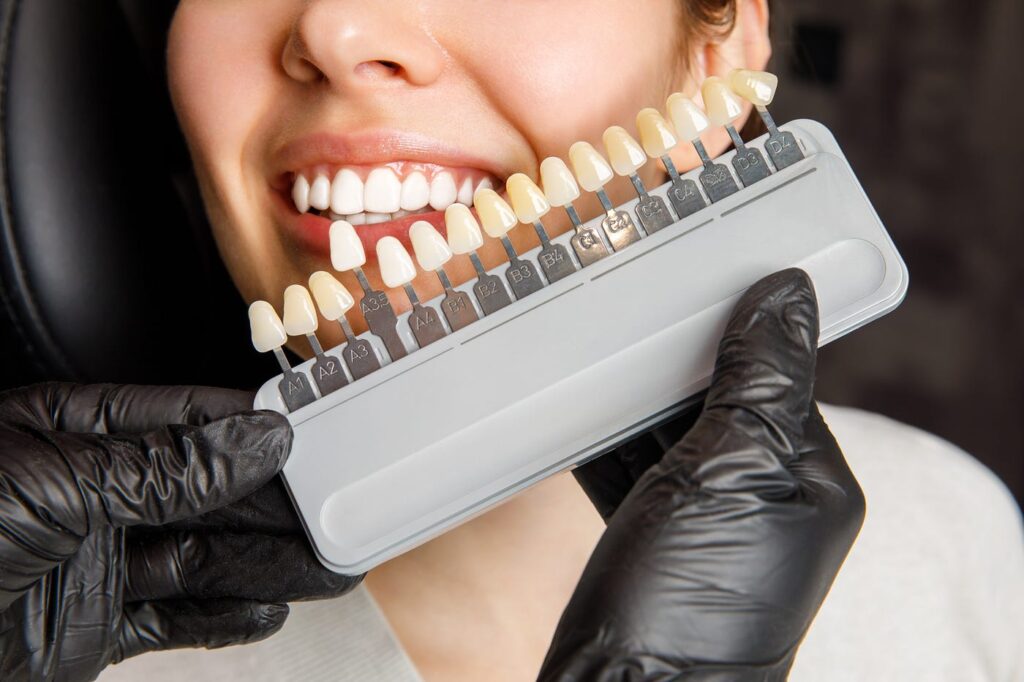
The finished products received from the laboratory are tried on the patient's teeth. If the plates fit perfectly, they are fixed permanently; otherwise, they are sent back to the laboratory for adjustments. The installation process includes degreasing the tooth surface, applying dental adhesive to the inner side of the veneers, and carefully but firmly pressing each one onto the teeth. Excess adhesive is removed, and the result is demonstrated to the patient.
© ORTHO dental clinic2026
Leave your contact details and we will help you choose a specialist and make an appointment at a convenient time.
Залиште свої контактні дані, і ми допоможемо вам обрати спеціаліста та записатися на зручний час.
Ми зв’яжемось з вами найближчим часом