
Atypical tooth extraction is a complex dental procedure involving the removal of problematic teeth with extensively branched root systems using a dental drill and a set of specialized instruments. During the procedure, the mucous membrane, periosteum, and even the jawbone are typically affected. It is employed only when conventional treatment is ineffective, the tooth cannot be preserved, or it impedes the proper growth of adjacent teeth.
The complexity of such treatment necessitates the involvement of highly qualified specialists with years of experience to avoid potential adverse effects. It is most commonly performed for wisdom teeth and molars in the lower jaw. Prior to the operation, auxiliary examinations are conducted to study and assess the root system of the problematic tooth.
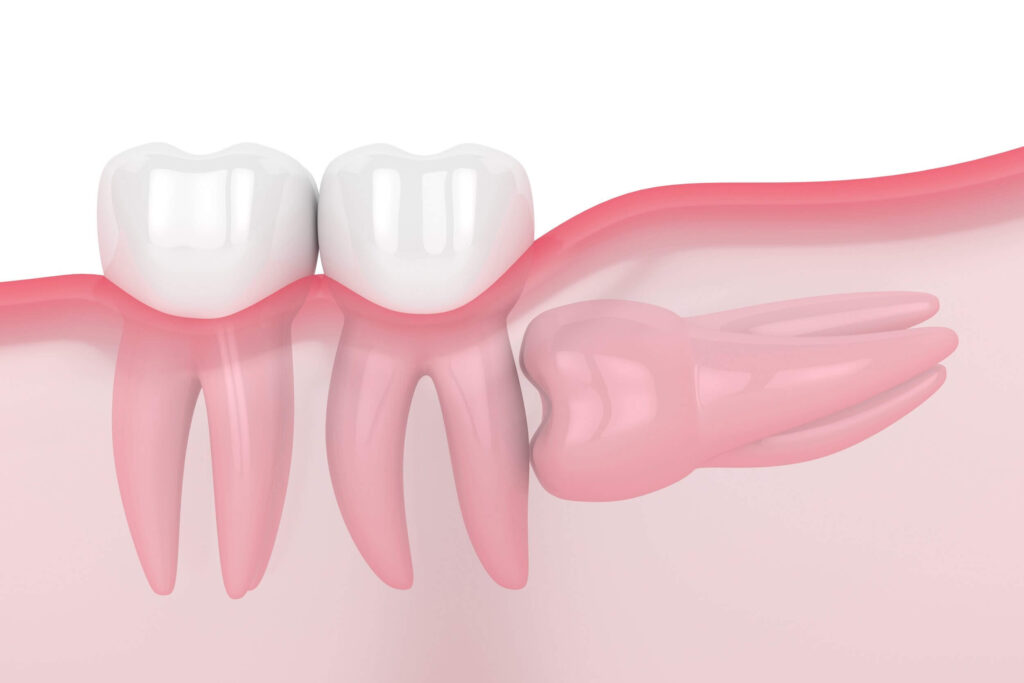
The dentist examines the patient's oral cavity, assesses the health of soft and hard tissues, and reviews the results of auxiliary examinations, such as X-rays, to determine the size, shape, and branching of the tooth roots, their proximity to nerve bundles, and the maxillary sinus. Consultation with allied specialists is sought, and if the problem cannot be resolved by other means, atypical tooth extraction is initiated.
The operation is always performed under local anesthesia or intravenous sedation to ensure the patient's pain-free experience, stabilize their psychological state, and allow the dentist to focus on the procedure. The extraction process is carried out step by step. Typically, the tooth crown is removed first, followed by the roots in segments using a drill and special instruments. Occasionally, detachment of the mucous membrane with intervention in the jawbone may be necessary. The extraction is concluded with careful inspection of the tooth socket to ensure complete removal of root remnants.
After the extraction procedure, the dentist applies sutures to the wound or inserts a hemostatic sponge to promote healing, stop bleeding, and prevent infection. The sponge will dissolve on its own over time. Recommendations are provided for successful rehabilitation.
Before any dental procedure, patients often experience emotional distress, even panic. We recommend calming down and preparing mentally before visiting the clinic, as all manipulations are performed under anesthesia, ensuring patients feel no discomfort.
It’s better to schedule the appointment in the first half of the day when you’re alert and energetic. Additionally, you’ll have more time to recover before bedtime.
Before the procedure, have a substantial meal, as there will be a postoperative restriction on food intake for several hours to allow the residual effects of the anesthesia to wear off. Being well-fed also helps alleviate anxiety and fear.
Refrain from consuming alcoholic beverages the day before the extraction, as alcohol intake may prolong the onset of anesthesia or diminish its effect.
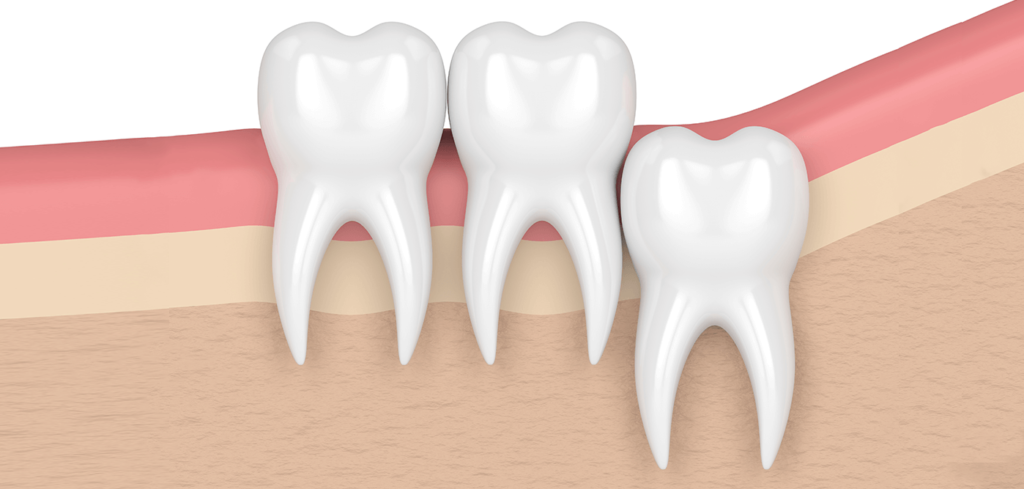
To ensure rapid postoperative recovery and prevent potential complications, follow the recommendations below:
You can find out the price of dental implantation at the ORTHO clinic by following the link or at a free consultation of our specialists.
© ORTHO dental clinic2026
Leave your contact details and we will help you choose a specialist and make an appointment at a convenient time.
Залиште свої контактні дані, і ми допоможемо вам обрати спеціаліста та записатися на зручний час.
Ми зв’яжемось з вами найближчим часом