
Sinus lift (osteoplastic surgery) is a surgical procedure in dentistry aimed at lifting the floor of the maxillary sinus and increasing the volume of bone tissue using natural or artificial materials to a size sufficient for implant placement. It is primarily used for molars and premolars of the upper jaw.
After the loss of teeth in the upper jaw, implantation often becomes the only optimal treatment option. To firmly fix a titanium pin in the jawbone, it is necessary to have sufficient thickness and volume of bone. Due to certain reasons, bone may be insufficient, thus necessitating augmentation or enlargement through either open or closed sinus lift techniques.
The operation is quite complex, therefore it requires high qualifications in dentistry and adherence to postoperative recommendations.
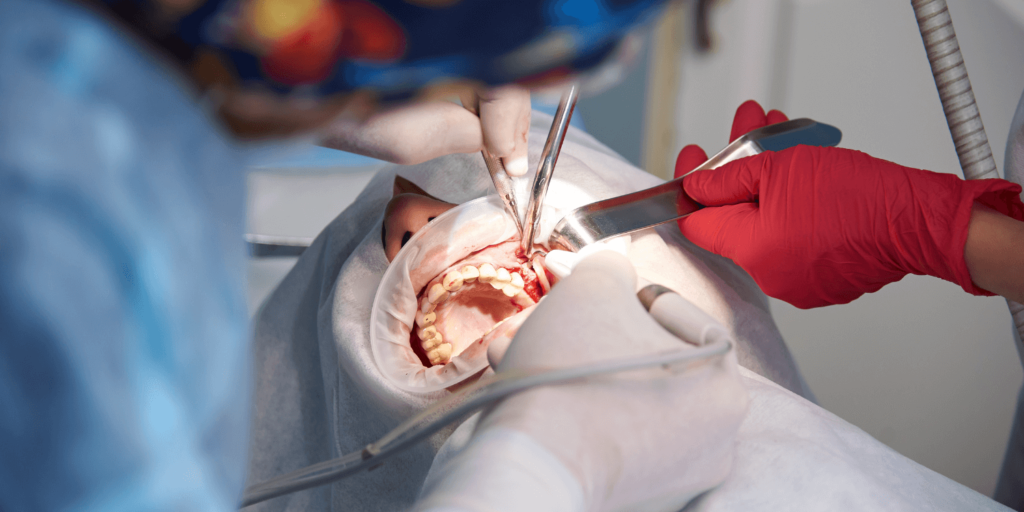
Depending on the individual characteristics of the patient’s jawbone tissue and treatment plan requirements, dentists use the following materials during sinus lift surgery:
1. Autotransplants – the patient’s own bone material taken from another area.
2. Allotransplants – donor material obtained from another person.
3. Xenotransplants – donor material of animal origin (most commonly from cattle).
4. Alloplasts – synthetic material of artificial origin.
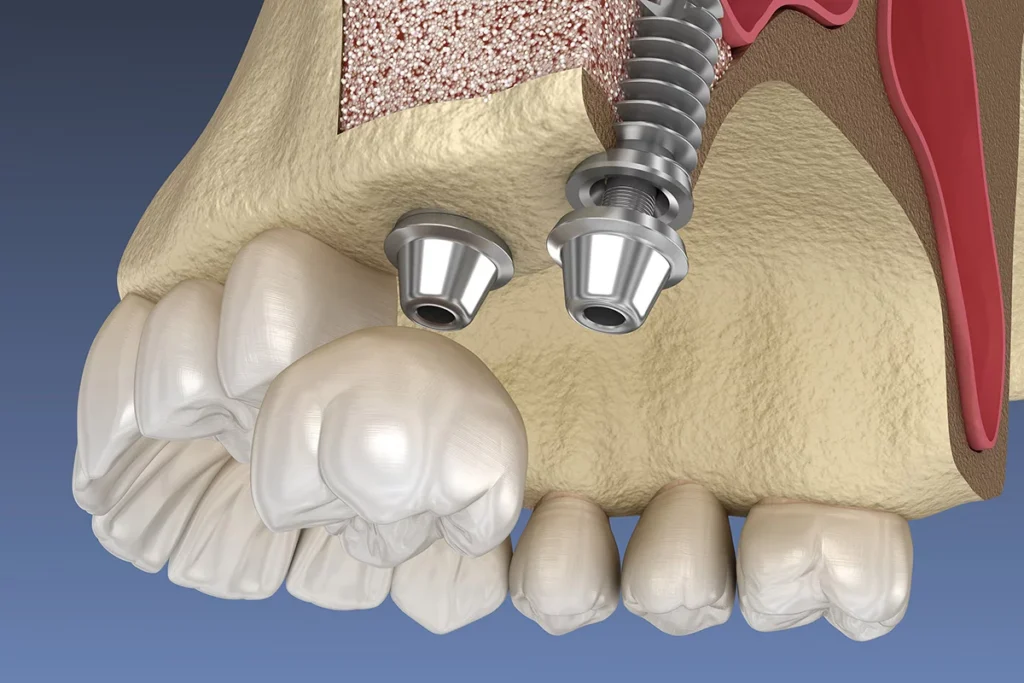
Closed sinus lift is considered a relatively simple procedure, taking no more than 60 minutes per session, and is performed when there is a small deficit of bone tissue after diagnosis and development of an optimal treatment plan as follows:
1. Injection anesthesia to block nerve impulses.
2. Preparation of the implant bed – gingival puncture with a special drill and formation of a small hole in the bone.
3. Displacement of the maxillary sinus floor with a probe through the formed hole.
4. Filling the formed cavity with appropriate osteoplastic material.
5. Wound closure.
If necessary, bone material augmentation may be accompanied by simultaneous implant placement. Patients can return home immediately after the operation.
Open sinus lift is a more complex procedure and is performed when there is a significant deficit of bone tissue after diagnosis and development of an optimal treatment plan as follows:
1. Injection anesthesia to block nerve impulses.
2. Formation of an opening – a small incision on the mucous membrane and drilling of a hole in the bone using a bur.
3. Displacement of the maxillary sinus floor with a special probe.
4. Filling the cavity with osteoplastic material.
5. Closure of the opening – placement of a biocompatible membrane and suturing of the gums.
This operation is most often prescribed if the thickness of the sinus is less than 5 mm.
Considering the invasive nature of closed or open sinus lift treatments and the proximity of the surgical area to the maxillary sinus floor, dentists recommend following these tips and recommendations after the operation:
After the operation, slight swelling and painful sensations may occur. This is a normal situation. Take pain relievers and antiseptic drugs as prescribed. Swelling should subside within 5 days, peaking on the 3rd day. During this period, it is advisable to apply cold to the outer side of the cheek. If pain and swelling persist, consult your doctor immediately.
© ORTHO dental clinic2026
Leave your contact details and we will help you choose a specialist and make an appointment at a convenient time.
Залиште свої контактні дані, і ми допоможемо вам обрати спеціаліста та записатися на зручний час.
Ми зв’яжемось з вами найближчим часом