
During the course of life and consumption of food, people do not always adhere to basic dietary rules and proper hygiene. Often, due to harmful habits or chewing excessively hard food, teeth develop chips, cracks, and other damage. In some cases, such problems arise with age due to natural tooth wear, and sometimes due to the development of various pathologies, including cavities.
As a result, teeth lose their color and shade, shape, aesthetics of the dental arches are lost, chewing function is disrupted, and both dental and general health problems develop. Eventually, a person loses self-confidence, feels embarrassed to smile and communicate with others.
To address these issues, ORTHO Clinic employs dental restoration – a complex of measures aimed at restoring the shape and aesthetics of damaged teeth, for example, by installing fillings.
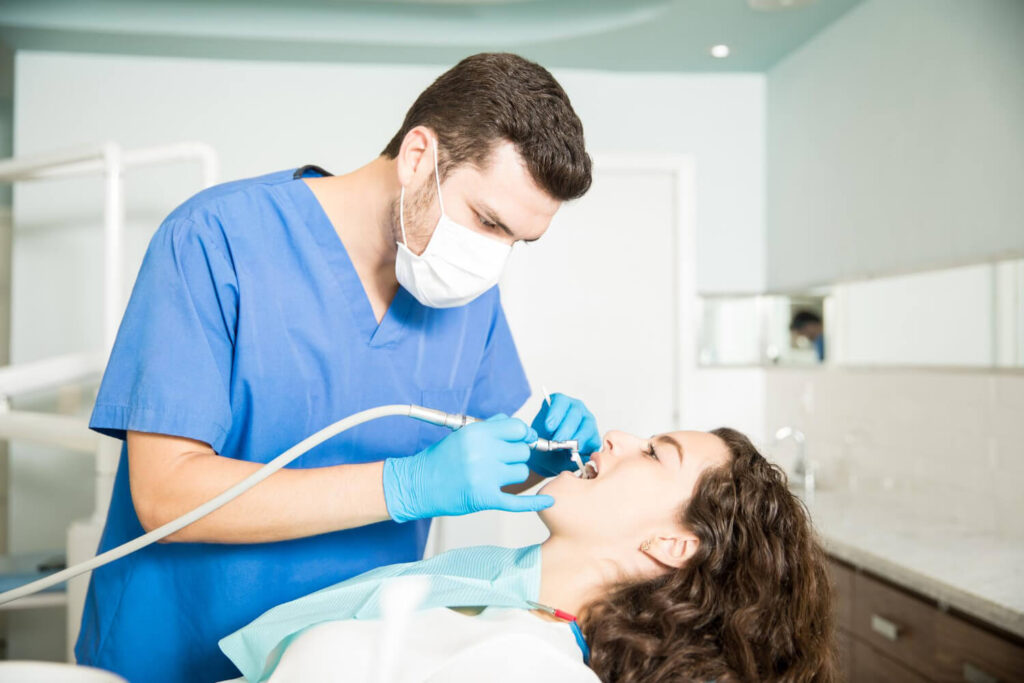
Dentistry distinguishes several types of fillings, which are installed depending on the degree of tooth damage, location, and some other factors:
Considered the most popular form of restoration for damaged teeth due to the special physico-chemical properties of the photopolymer material, which hardens under the influence of ultraviolet light and is highly durable. Can be installed both in the frontal zone and in the lateral areas. It is characterized by low cost and the ability to match practically any shade, indistinguishable from the color of healthy enamel, which does not darken over time.
Made from glass ionomer materials: fluoroaluminosilicate glass and polyacrylates. It is hypoallergenic, adheres well to the tooth surface, but darkens over time. The main advantage and the main reason for installation is the gradual release of fluoride as a medicinal component.
Made from polymer materials, artificial dentin, and oil-based pastes. Used in situations of deferred treatment, after which it is replaced with a permanent filling. Firmly adheres to the tooth surface, protecting the internal tissues from external pathologies.
Used to correct small defects on chewing and front teeth. The essence of the method lies in medical manipulations directly in the patient's oral cavity, for the completion of which only 1 visit to the dentist is sufficient.
Used to eliminate volumetric defects on teeth with significant destruction by installing veneers, inlays, or crowns. As a result, the patient needs several visits to the clinic, first for their manufacture, and then for installation. In some cases, it requires preparation of tooth tissues.
The installation of composite, glass ionomer, and temporary fillings follows similar stages, with some exceptions. Generally, the process of placing a composite filling looks as follows:
1. Numbing the working area.
2. Preparation (removal and excavation of affected areas of the tooth).
3. Disinfection with antiseptic agents.
4. Drying.
5. Placement of a dental dam to prevent saliva and moisture from reaching the working surface, which could compromise the sealing of the filling or its adhesion to the tooth surface.
6. Etching of the tooth surface with a weak solution of orthophosphoric acid to provide roughness and create better conditions for bonding the filling.
7. Application of the composite material and shaping of the coronal part of the tooth.
8. Curing the filling with ultraviolet light.
9. Removal of excess filling material.
10. Bite check.
11. Polishing and smoothing of the filling to give it a smooth finish.
On average, the placement of a composite filling takes between 30 to 60 minutes.
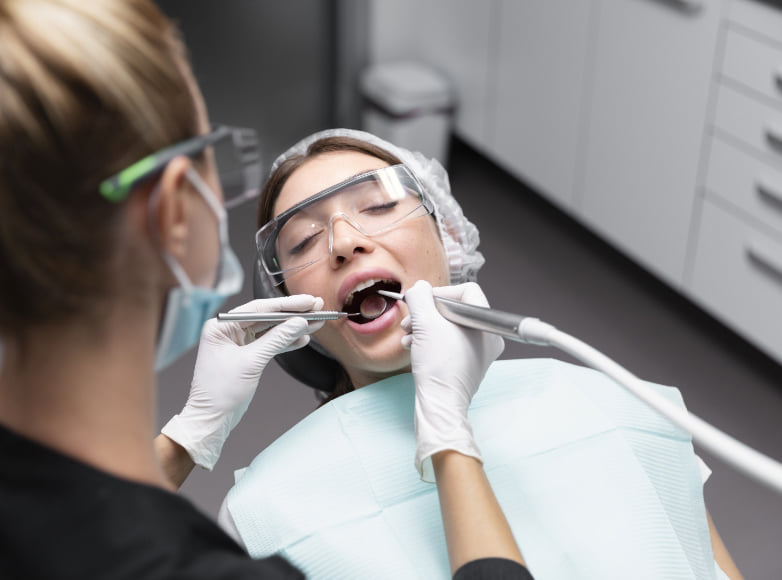
Fillings serve to restore slightly damaged teeth and isolate internal tissues from external influences. However, like any material, they deteriorate or lose their original characteristics over time.
The average service life of fillings is 5-7 years, requiring replacement thereafter. Sometimes this period is shorter, sometimes longer. Overall, the service life depends on how well the patient follows the recommendations of the dentist and whether they engage in harmful habits.
The need for filling replacement is determined by the dentist during preventive check-ups. The decision to replace is made by the patient themselves. Refusal to replace most often leads to a recurrence of the condition, recurrent caries, and other side pathologies.
Previously, dentists advised patients not to eat or drink anything for 2-3 hours after filling restoration.
Nowadays, this period is practically not mentioned, although some points should be taken into account. This is explained by the effect of the anesthetic, which numbs the internal tissues, making it possible for the patient to bite the inner part of the cheek while chewing. It is also recommended to drink through a straw so that the liquid goes directly into the throat, rather than spreading through the oral cavity.
To prolong the service life of a filling and prevent damage, it is necessary to adhere to standard recommendations, as for the care of healthy teeth:
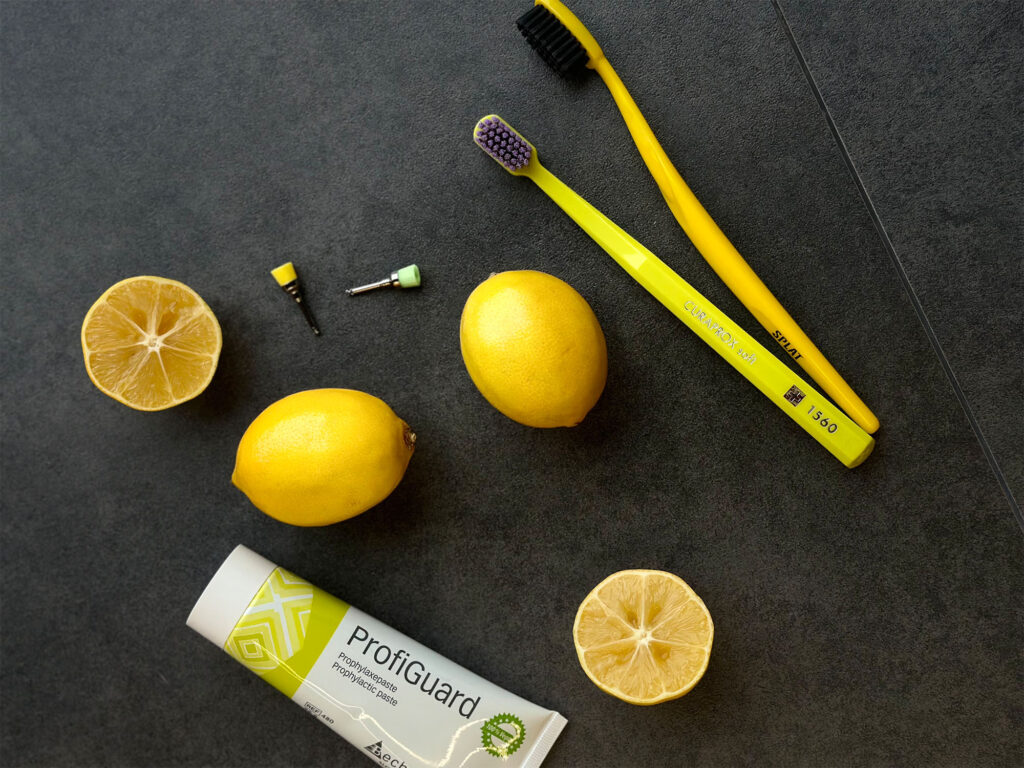
Following these simple rules will increase the service life of the filling and preserve your finances. To see the prices for filling placement, follow the link or visit our clinic for a detailed consultation.
© ORTHO dental clinic2026
Leave your contact details and we will help you choose a specialist and make an appointment at a convenient time.
Залиште свої контактні дані, і ми допоможемо вам обрати спеціаліста та записатися на зручний час.
Ми зв’яжемось з вами найближчим часом