
Modern science is continually evolving, seemingly capable of addressing any dental issue. Chips, cracks, misalignment, and discolored enamel, and most notably, damaged teeth, can cause considerable discomfort for individuals. Smile aesthetics deteriorate, speech may be affected, chewing function changes, and many other inconveniences arise. Today, restoring damaged teeth is a distinct branch of dentistry known as prosthodontics, achieved through the installation of dental crowns.
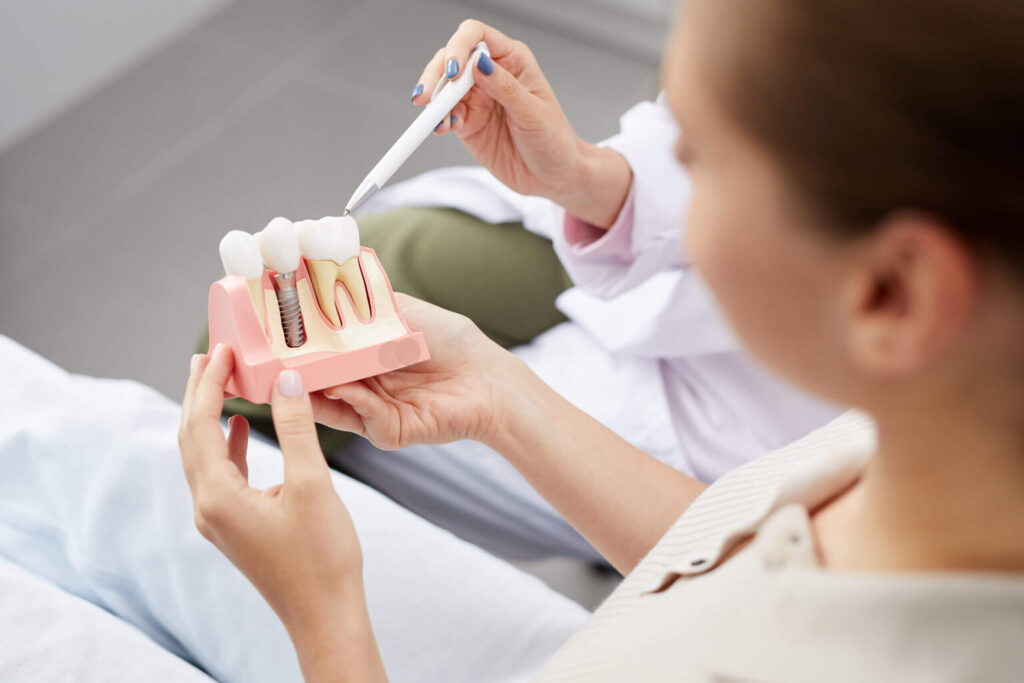
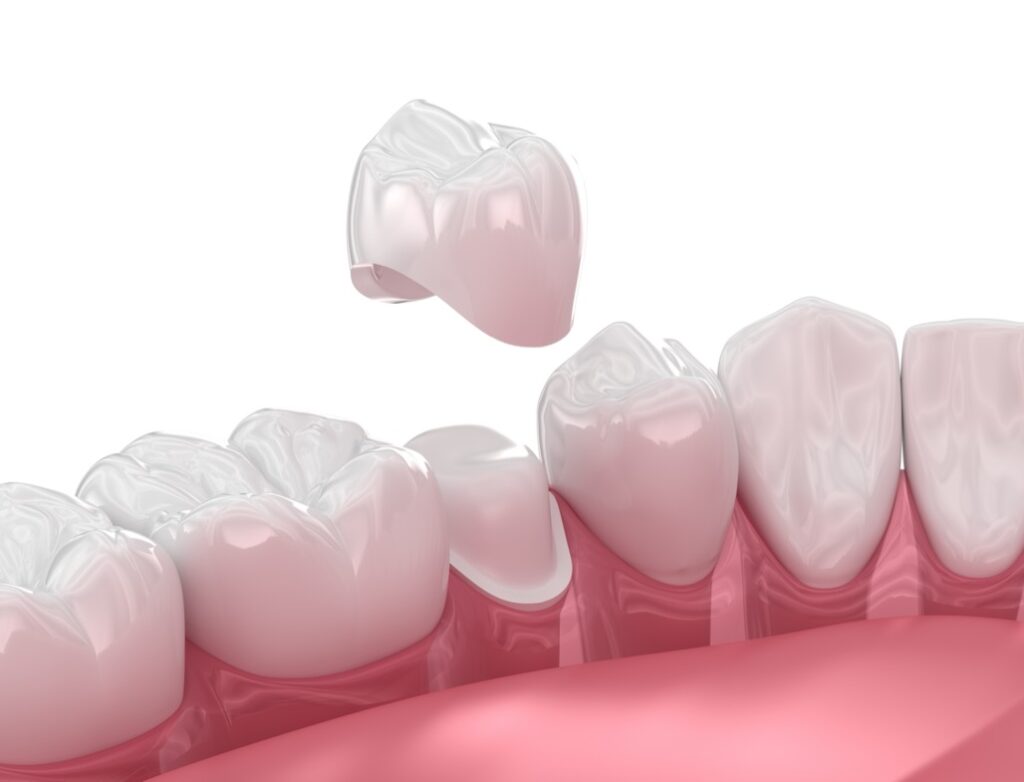
A dental crown is an artificial orthopedic structure resembling a cap, which is placed in a patient’s oral cavity to replace a damaged tooth unit, restoring its crown portion and chewing functions. Crowns are made from various materials depending on the patient’s preferences and the location of the problematic tooth in the jaw.
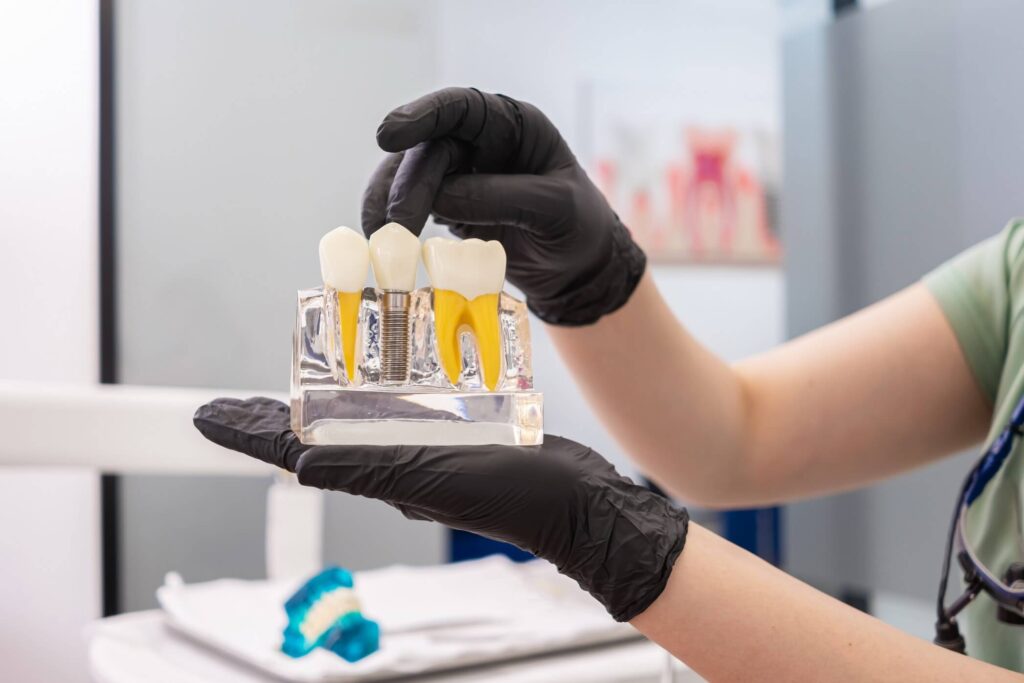
Restoring teeth with crowns can be both singular and multiple, up to full edentulism (the absence of all teeth). Crowns can be installed on either remaining tooth roots or implants (artificial tooth roots integrated into the jawbone).
The classification of dental crowns is diverse, but it is important for the patient to understand the varieties of these products based on the manufacturing material:
These products are made from dental metals and their alloys, such as zirconium dioxide, by casting or stamping. They are characterized by low cost, durability, strength, functionality, but not always high aesthetics. They are suitable for installation in lateral jaw areas, as they can withstand significant chewing loads.
These products are made from ceramic material, porcelain, or plastic (temporary crown). They stand out for their high aesthetics and high cost but have less strength, so they are most commonly used for restoring the frontal tooth group.
These products are made from two types of materials: a metal framework overlaid with plastic, ceramic, or other composite material. They are distinguished by their aesthetic appeal, strength, and attractive price.

The dentist conducts an initial examination of the patient's oral cavity, assesses the condition of soft and hard tissues, prescribes additional examinations, consults with related specialists, and discusses the necessary type of restoration with the patient. For the future installation of a dental crown, the dentist prepares the damaged tooth, creating space for seating, takes impressions of the teeth, and sends the collected data to the dental laboratory.
In the dental laboratory, the dental technician scans the dental impressions and transfers them to a computer, where the future crown is modeled using specialized software. Then, using CAD/CAM technology, a crown made of solid zirconium dioxide is milled according to the patient's individual parameters. The process is completed by processing in a furnace under high pressure and temperature. As for non-metallic samples, they also undergo coating with the appropriate material, firing, polishing, and grinding.
In the dental clinic, the prosthodontist fits the finished crown in the patient's mouth. If necessary, it is sent for further refinement in case of inaccuracies. If the crown fits perfectly and the bite is unchanged, the prosthesis is permanently installed using the appropriate method.
Proper oral hygiene is always the key to good dental health. Crown installation requires even more careful care, as food particles can get under the crown in the gum area and cause inflammation.
To prevent detrimental effects from insufficient hygiene, it is necessary to brush teeth more often, ideally after every meal, but no less than twice a day. Additional tools such as interdental brushes, floss, and irrigators are desirable. Try to rinse your teeth more thoroughly after brushing.
Avoid harmful habits: do not bite too hard (nuts, hard candies, etc.) and do not consume products or drinks with a wide temperature range/disbalance. Failure to adhere to this rule may lead to crown fracture and subsequent replacement, which will be an additional waste of time and money.
Regular visits to the dentist for preventive check-ups and possible professional cleanings are essential.
You can clarify the cost of a crown made from the appropriate material at the ORTHO clinic by following the link provided, or during a free consultation with our specialists.
© ORTHO dental clinic2026
Leave your contact details and we will help you choose a specialist and make an appointment at a convenient time.
Залиште свої контактні дані, і ми допоможемо вам обрати спеціаліста та записатися на зручний час.
Ми зв’яжемось з вами найближчим часом